From Small Town to Big Campus
A 1970 Graduate Reflects on the Rural Transition to the University of Iowa
By Aidan McKeever
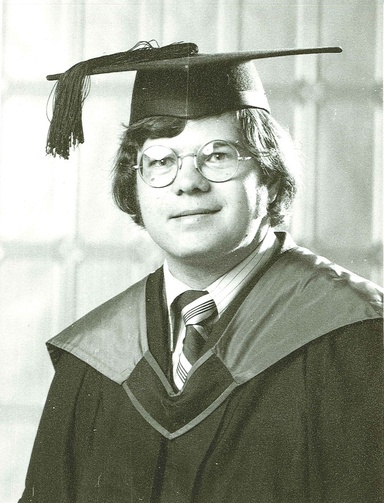
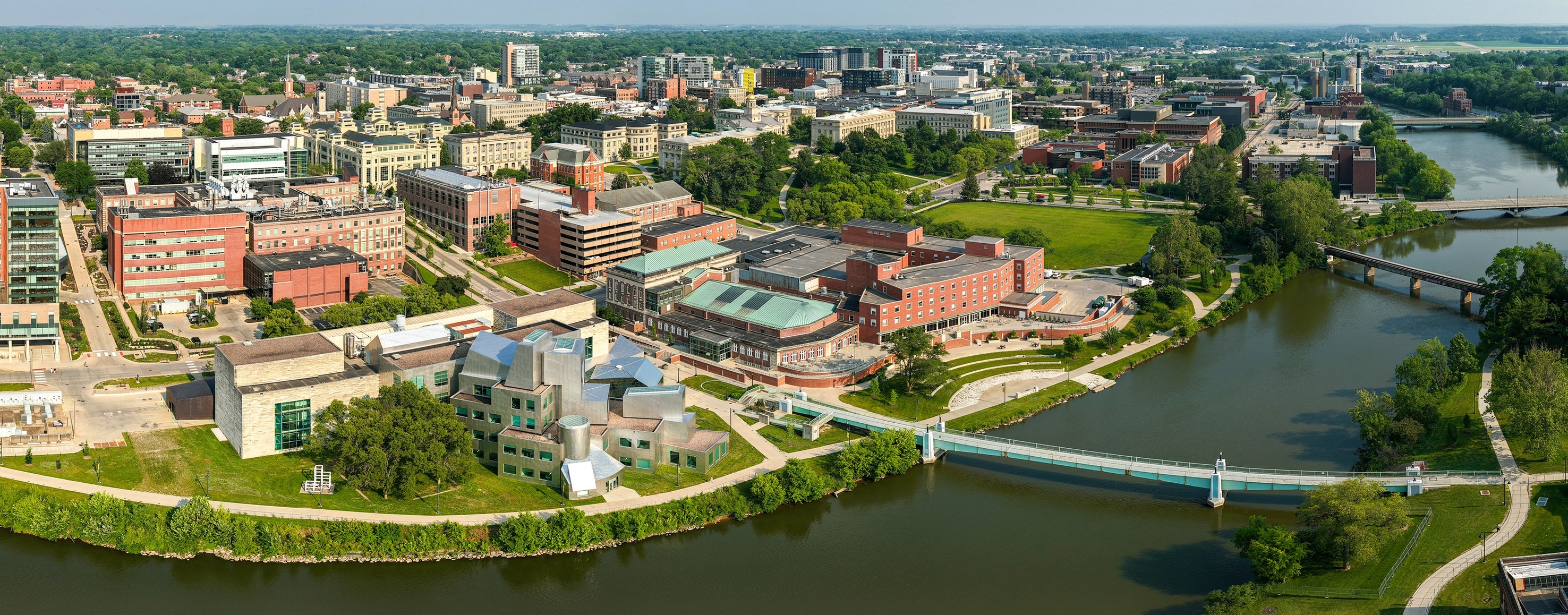
Rural students have been coming to the University of Iowa for generations. For many, arriving in Iowa City means stepping into a community larger than their hometowns, filled with unfamiliar faces, countless organizations, and opportunities that can feel both exciting and overwhelming.
The transition often brings culture shock, and according to University of Iowa Honors Program alumnus Dick Tyner (BA political science, BA French ‘70), that experience is completely natural.
Tyner, who double majored in political science and French while pursuing a pre-law track, remembers the emotional shift from leaving rural Shenandoah, Iowa for campus life.
“You come from an environment where you know absolutely everyone and arrive at a place where you know no one,” he said.
Like many incoming students from small towns, Tyner entered the university academically prepared but socially uncertain. After testing out of first-year rhetoric, he began his college career in advanced coursework, including an ancient literature honors course intended for second-years. While the academic transition proved manageable, building community took time.
One of his earliest connections came through his roommates, who helped introduce him to new social circles. Though Tyner lived near the Honors House, a common study and gathering space for honors students, he noted that few people from his dorm community were a part of the Honors Program, making it harder to immediately find peers with similar academic experiences.
Outside the classroom, homesickness presented another challenge.
Deeply involved in his church community back in Shenandoah, Tyner sought familiarity by attending a Methodist church in downtown Iowa City. Instead of the homey feeling he was expecting, it highlighted how much had changed.
Despite being surrounded by people of shared faith, he recalls feeling especially homesick there, a reminder that recreating home is not always possible in a new environment.
Yet that distance also opened unexpected doors.
College allowed Tyner to explore intellectual interests more freely than he’d been able to in his hometown of Shenandoah, Iowa.
Reflecting on the rural experience, he explained, “Being an intellectual in a small town is quite difficult. Being an intellectual is the definition of difference.”
At the University of Iowa, that difference became a strength rather than an obstacle. His passion for French, sparked by four years of study in high school, continued to grow.
Originally needing only one additional course to complete the language requirement, Tyner instead pursued the subject fully, ultimately earning an honors degree in French.
A key part of that journey was mentorship. Professor Pierre de Saint Victor guided him throughout all four years of college, encouraging curiosity beyond course requirements.
Tyner found himself at a crossroads trying to find French courses that fit his schedule. The only course that was possible for him was an upper-level French course, but it was full at the time, so he decided to speak to the professor.
During the meeting, the professor was thoroughly impressed with Tyner’s French speaking and said, “For you, the class is open.”
That openness, academically and personally, helped transform what began as a difficult transition into a defining college experience.
For rural students arriving at Iowa today, Tyner’s story reflects a common reality: adjustment takes time. Feelings of isolation, homesickness, or cultural difference are not signs of failure but part of growth. The University of Iowa’s size and diversity may initially feel overwhelming, but within that vastness lies opportunity to discover mentors, communities, and passions that may not have existed back home.
For many rural Hawkeyes, the journey begins with uncertainty and ends with belonging.