The Making of a Magazine
Literary Magazines on Campus and How Students Benefit from Being on Staff
by Cameron Vest
The meeting room is filled with the clacking of keys and the discussion of students. As editors read submissions, they raise concerns about the layout of a poem or give praise to their favorite short story. They methodically thin the herd of the many submissions received.
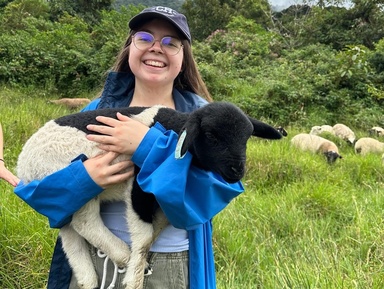
There is an argument for every single one of them, but only so many make the final print. Coming to a consensus on what to reject and accept is one of the most challenging tasks facing the staff of the University of Iowa’s many literary magazines.
The University of Iowa is home to InkLit, earthwords, New Moon, the Translate Iowa Project’s Boundless, and even the newly created faith-based magazine Fount. Together, they make up the ever-growing community of student-made literature.
Daniel Khalastchi, executive director of the new Office of Writing and Communication, described this landscape as an essential part of the University of Iowa’s identity as “the Writing University.”
Khalastchi emphasized that Iowa’s literary magazines are not just clubs, but actively contribute to that prestige. When he first began working on campus in 2011, earthwords was the sole undergraduate magazine. He said, “Over the next few years, we added other organizations and publications to our roster,” such as InkLit, Boundless, and many others.
English and creative writing major Ashlyn Solinsky joined InkLit in her freshman year as a nonfiction editor, hoping to explore the publishing track, before she shifted to a design position in her second semester.
“I thought it was a great opportunity to get some experience that would help me grow my career,” Solinsky explained, “while giving me a chance to figure out if it’s something I really enjoy.”
When she joined the literary scene while on the publishing track, she immediately assumed that meant becoming an editor. After being on the staff of both InkLit and earthwords, she now realizes the design aspect of publishing is more her style. Now an assistant designer for earthwords, Solinsky has found her passion for visual design.
“It’s nice to know that there are real people behind the scenes,” she added. “Even if, as a submitter, you only see a rejection email.”
Being rejected by a literary magazine does not mean that the submission was poorly received; it simply did not find the right audience among the majority of the staff. With a behind-the-scenes perspective, Solinsky knew that every piece had at least a few voices fighting for it.
For English and creative writing major Ollie Naber, who now serves as a nonfiction editor for earthwords and a prose editor for New Moon, that behind-the-scenes process is what makes literary magazines so rewarding.
“Being on the staff of literary magazines helps me apply what I’m learning in my classes to real-life roles and responsibilities,” Naber said. “These experiences aren’t just something to put on a resumé; they’re teaching me lessons on what it means to work on an editorial team.”
Like Solinsky, Naber first worked on InkLit as a managing editor before joining other publications. That experience gave her a deeper understanding of how collaborative and complex editing can be.
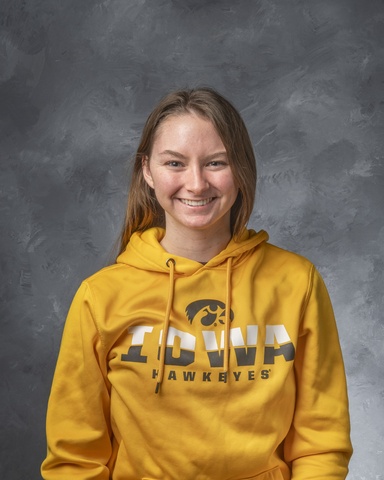
“When I came into college, I only saw myself as an introverted, solitary writer,” she explained. “But my experiences in literary magazines helped me realize that I love working on a team, managing projects, and being involved in my community.”
The publishing process gives students a tangible sense of accomplishment and collaboration. Each publication represents not just individual creative works, but the collective effort of dozens of editors, designers, and readers working toward a shared vision.
Abby Kloha, a Spanish and translation double major with a minor in English, helped launch Fount, the University of Iowa’s new faith-based literary magazine. The idea for the magazine began with a small writing group of Christian students.
Pairing up with Geneva Ministry, which shared a similar dream of having a space for religious literature on campus, Kloha and her fellow writers went to the Magid Writing Center.
The staff of the Writing Center helped set them up with resources and tools for creating a literary magazine. Not only is Kloha a co-founder of Fount, but she is also the co-president of Boundless, where she works on translating Spanish and Japanese submissions.
Kloha participated in many organizations in grade school, “Itt was a really great way to meet people and to get involved with the community,” she explained, comparing it to her experiences while with Fount and Boundless. “I didn’t want to get stuck in a campus bubble where I only know other college students.”
Working on literary magazines has given her a stronger sense of investment and contemplation, something that tied her directly to the Honors Program’s reflection process.
Khalastchi echoed this sentiment of discovery through creative work. “These publications give students the tools to think deeply about their voices and their impact,” he said, adding that they “sustain Iowa’s leadership in writing across the disciplines by investing in student excellence.”
Ultimately, literary magazines at Iowa do more than publish student work. They build communities, foster collaboration, and help writers and editors alike find their place on campus. These magazines provide ways for students to connect with others who share similar interests, help them discover their career paths, and give them opportunities to reflect on their growth. Each publication tells a story, not just through the work published, but of the students who made it possible.

About the Author
Cameron Vest is a second-year student from Mequon, Wisconsin. He came to the University of Iowa to pursue a major in English and creative writing on the publishing track and a certificate in environmental sustainability. He enjoys reading and writing fantasy and sci-fi and hopes to write his own books in the future.