From Chaos to Connection
Getting Oriented Then and Now
By Ania Naso
When Shaun Vecera arrived at college in the late 1980s, there was no rulebook, and definitely no guide on where to go and what to do. No Primetime, no On Iowa!, no “first-year experience” checklist. There were just dorms full of strangers, oversized lecture halls, and stuffed bulletin boards.
“That was much less organized back then,” said Vecera, now a professor of psychology and the director of the University of Iowa Honors Program since fall 2021.
“There wasn’t really programming to help it happen,” he explained. It was the classic example of looking around, seeing what everybody else was doing, and trying to figure out if you were doing the same things—and if that was the right thing to do”.
In other words, wing it and hope for the best.
Vecera looks back on his undergrad years with some amazement that he made it through, much less onto a graduate school track. As a first-generation college student, his roadmap came less from advisors and more from high school friends who had graduated a year earlier.
“Some of it was just getting plugged in—knowing the people you were living with,” he recalled.
It’s pure chance that he spotted the right bulletin boards with the right information.
“I’ve often had the feeling that, just because there weren’t some of these structures that we have now at Iowa and a lot of other places, I just wonder—how did I ever figure any of this out?” he says. “Sometimes I feel incredibly lucky that whatever happened, happened.”
One pivotal moment came when he stumbled across a flyer on a bulletin board in the psychology building. It listed graduate programs and their application requirements. Nearly all of them highlighted research experience as a requirement. That flyer threw him into a lab, into a mentorship with faculty, and ultimately into a career in psychology.
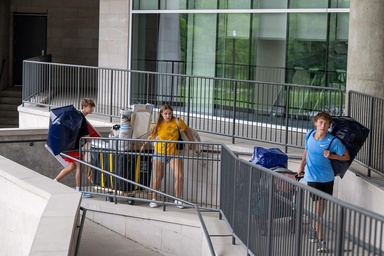
Today’s students, by contrast, step onto a campus where “plugging in” is more structured. Just ask Emily Vitosh (B.A. ’28), who describes her first week as “very chaotic,” but scheduled.
Vitosh’s experience included many new programs designed by the Honors Program and the University of Iowa to ease the transition that Vecera had to improvise.
She arrived earlier than most students and kept to herself at first. “I stayed in my room most of the time, which I now regret,” she acknowledged.
She remembers her Primetime course, which focused on volunteer service, as a turning point. Stocking items at the University Food Pantry and organizing food drives with Hy-Vee connected her to both the community and the other students she shared the experience with.
“I remember one man gave us two whole carts of grocery items, and I started to tear up. It was just amazing to see how much the community cared,” she said. “That was one of the first moments where I felt truly home in Iowa City.”
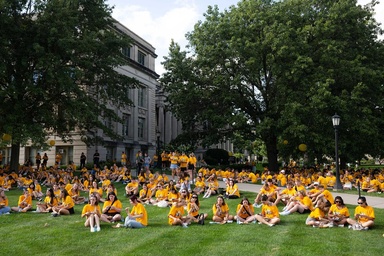
OnIowa!, the university’s introduction to campus life, taking place alongside and after Honors Primetime, provided a further welcome.
“I loved being able to connect with other freshmen,” she said. “It helped me feel more comfortable and less intimidated. I was around other people who were just as scared, confused, and anxious as I was”.
For Vecera, the moments that made him feel connected came much later. “In my last two years, I was much more
plugged into the world of graduate school—around labs more frequently, meeting grad students, seeing what they were doing day to day. That gave me a better appreciation of what that landscape looked like, and put me on a good trajectory.”
Despite the decades between their experiences, both Vecera and Vitosh remember the challenge of navigating new social worlds and their difficulties.
Some memories are less about academics and more about belonging. For Vitosh, it was Kickoff at Kinnick.
“Being able to set foot on the field and wave to the Stead Family Children’s Hospital was such a special moment,” she said.
For Vecera, it was that psychology bulletin board urging him to find his place in a research laboratory and go on to grad school. While both are completely different experiences, both were life-changing in their own way.
Looking back, Vecera marvels at how much has changed.
“Higher ed has gotten better about the transition,” he reflected. “Programs like Primetime or first-year seminars—those are really beneficial. They give students a smaller setting, a chance to connect with faculty, and to plug into the institution in a way that just wasn’t possible when I was a student.”
For Vitosh, those supports turned chaos into community, making her feel like she truly belonged.
And so, while bulletin boards may be replaced by websites, some things never change. The chaos surrounding the first week of school remains and everyone experiences the struggle of what to do and where to go. Orientation programs like OnIowa! and Honors Primetime offer a helping hand to guide students in the right direction and add some structure to that chaos.
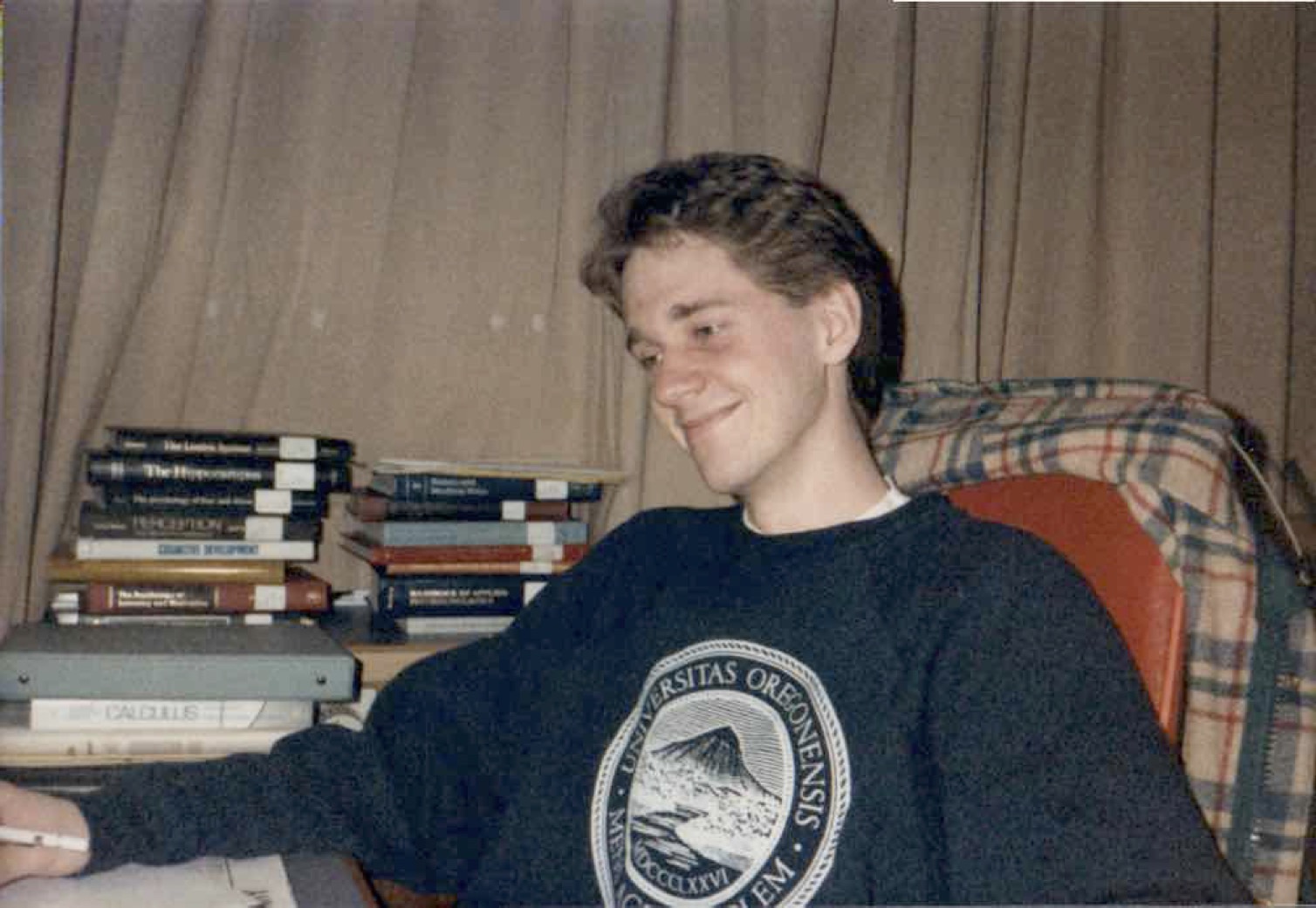
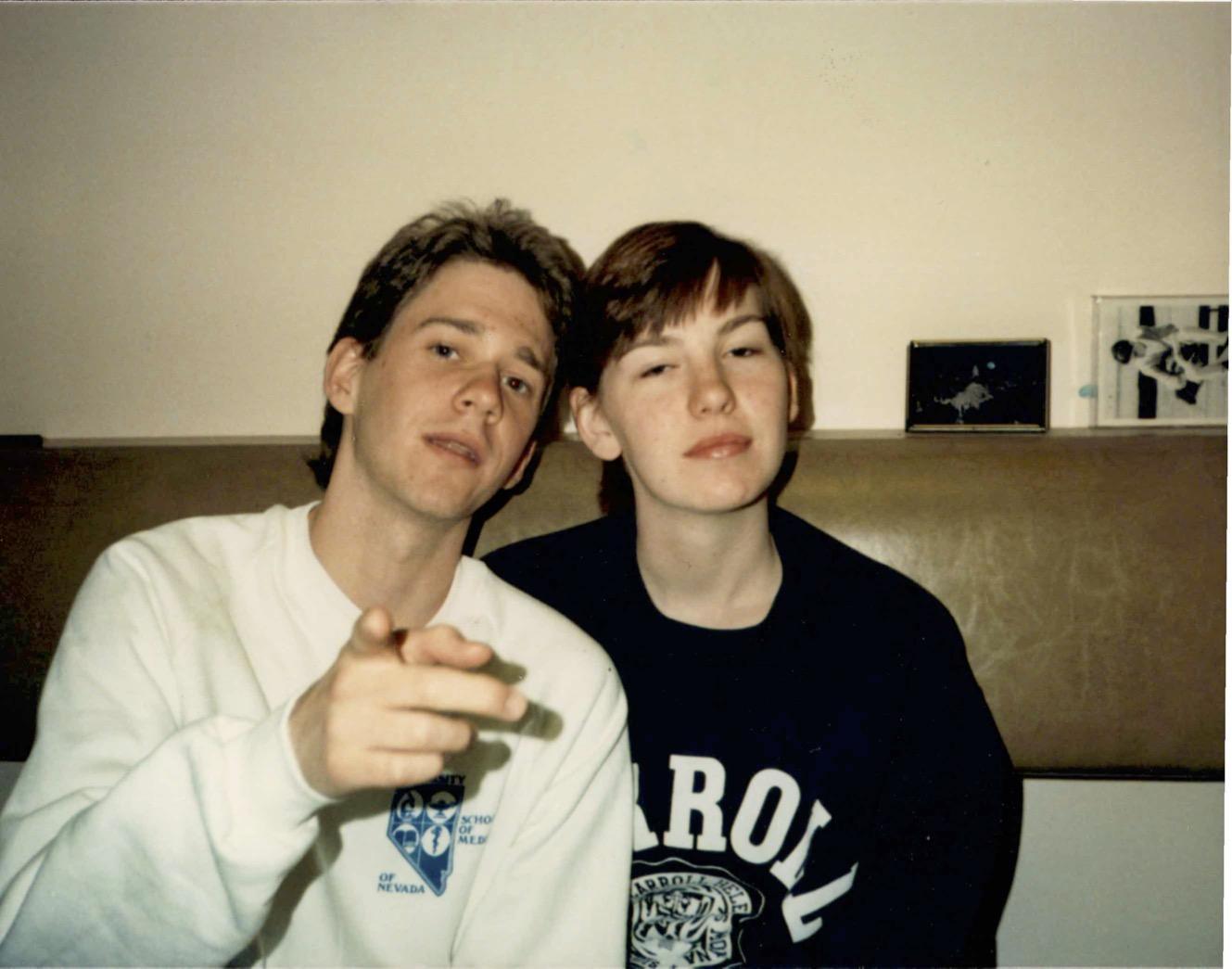
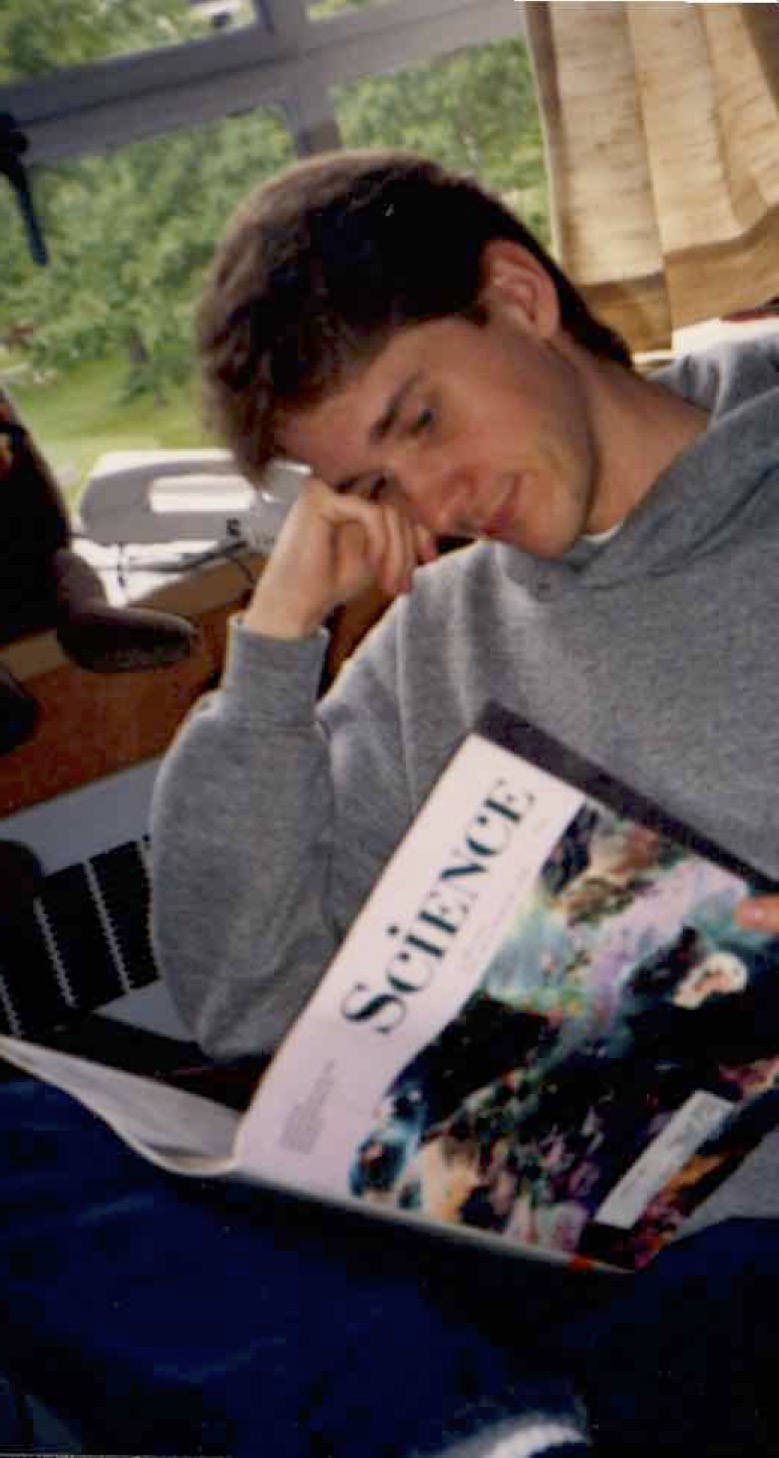
A college-aged Shaun Vecera reading and hanging out with his future spouse, Maureen. Courtesy of Maureen Vecera.

About the Author
Ania Naso is a first-year student from Iowa City majoring English and creative writing and secondary education. Upon graduation, she plans to volunteer abroad as an English teacher.